
On Discovering Your Sacred Spaces

On a recent trip home to California, I felt a calling to visit all of my favorite places. In a state of transition and uncertainty, I felt a yearning for the grounding presence of the Redwoods, for the rugged riptides of the Pacific Coast, and the tranquil oases of San Francisco’s parks. I was being called home to my sacred spaces.
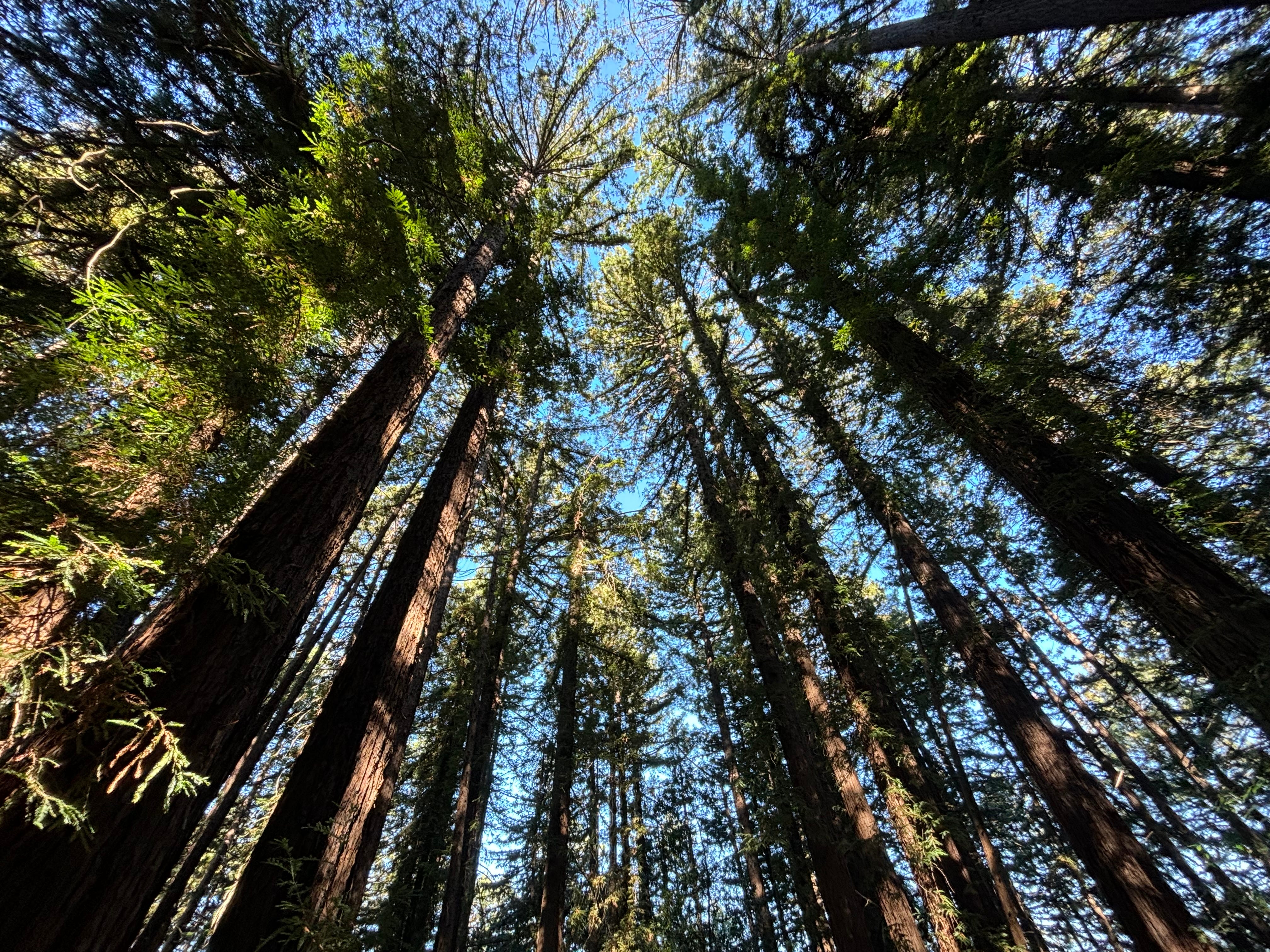
The first stop on my itinerary was Reinhardt Redwoods Regional Preserve. I first visited that park during a previous time of transition, after a breakup and a decision to leave the company I started. The Redwoods offer a reminder that even in times of profound change, there are anchors of permanence in the natural world.
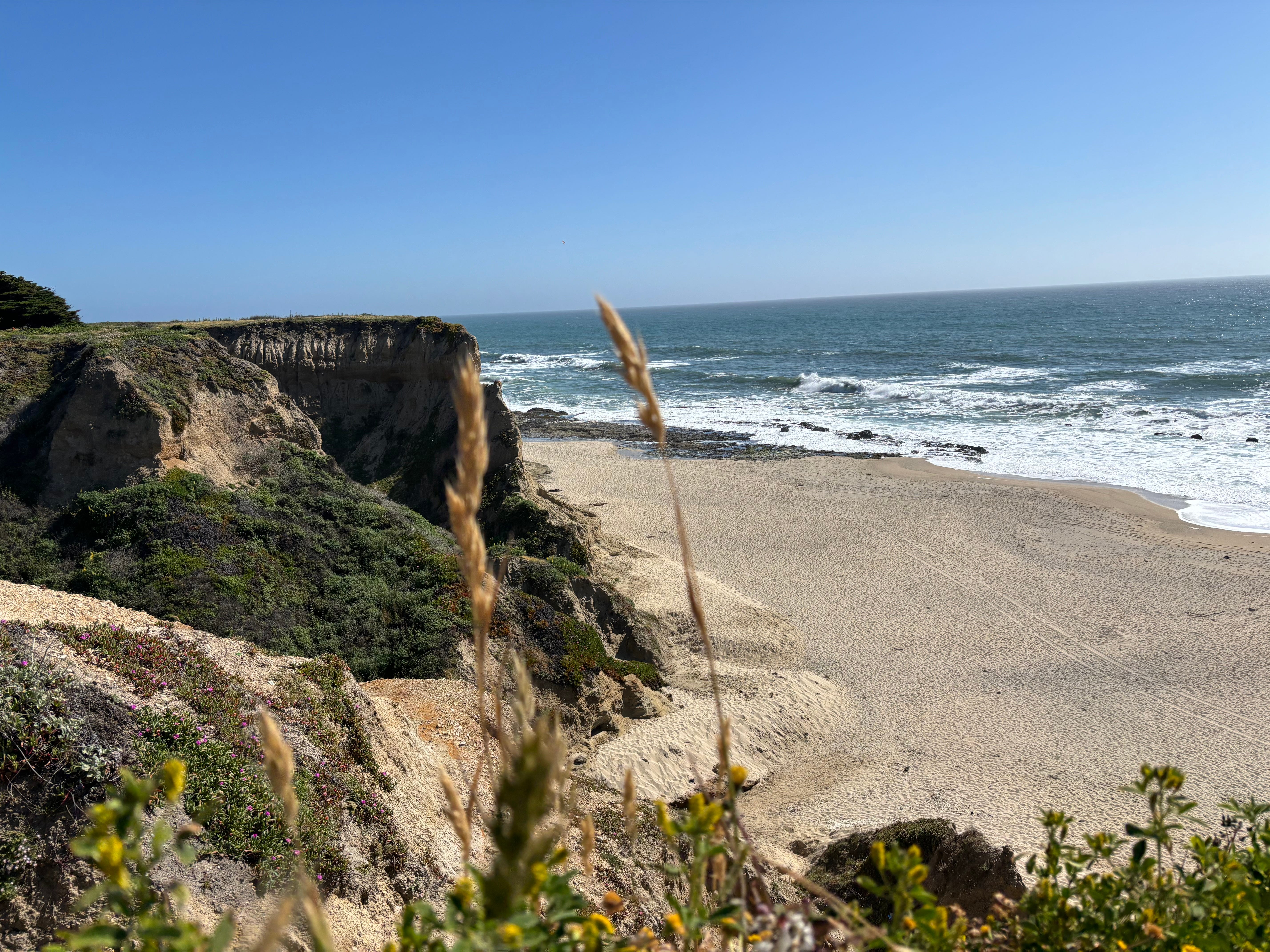
Next is Redondo Beach — a secluded cliffside in Half Moon Bay. I first came here back in high school with a group of close friends to have a sunset barbecue. It later became my go-to spot, where I would bring visiting friends or dates to camp and stargaze. It’s a place that represents belonging, holding the energy of moments where I felt most connected.
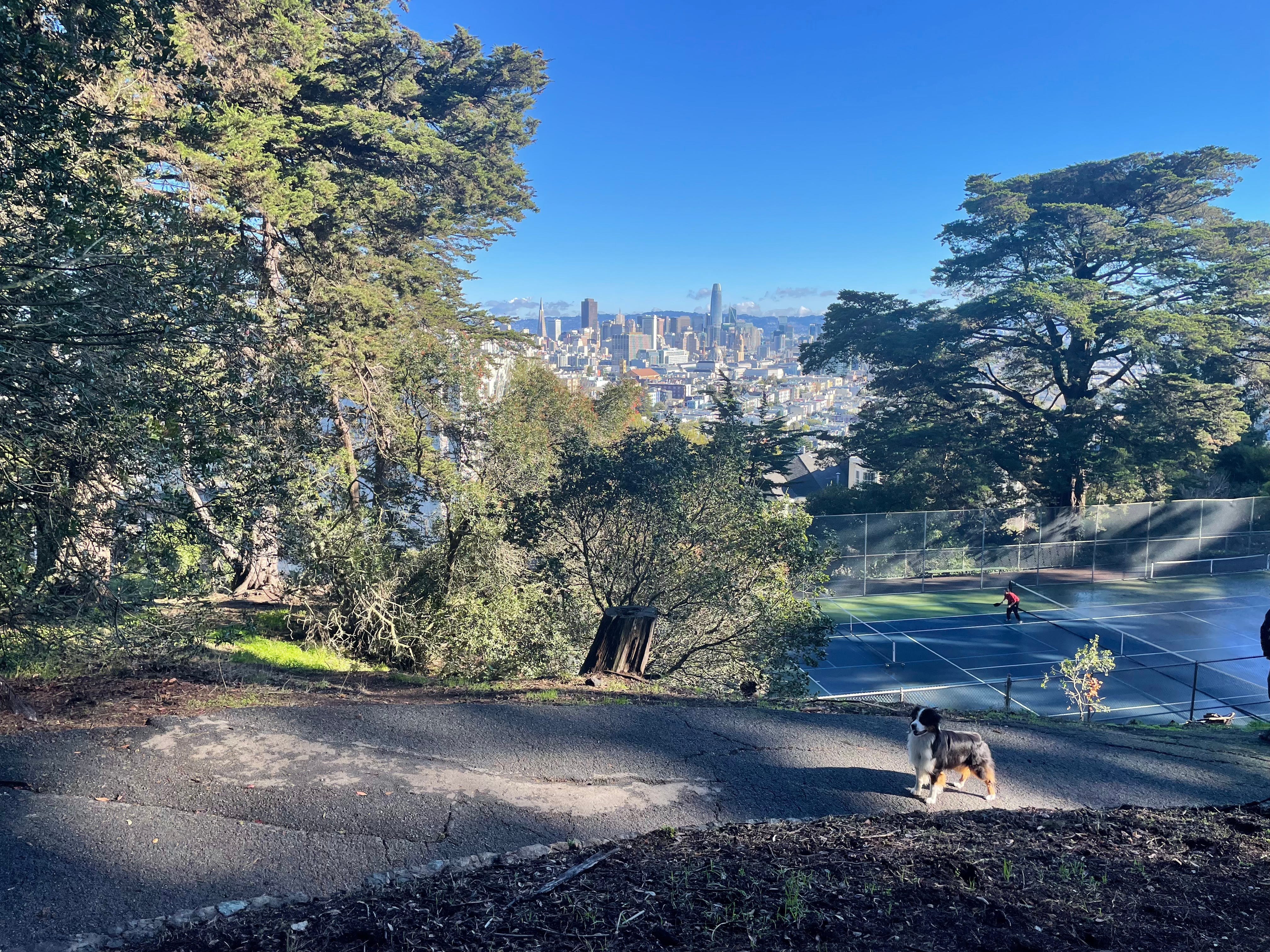
Buena Vista Park is the place I am perhaps the most familiar. Living beside it for two years, I walked my dog through the urban forest every morning. I came to know every inch of the park - the way morning light filtered through the eucalyptus grove in the middle, how the city skyline would suddenly emerge around the corner above the tennis courts, that first glimpse of the Pacific peeking out above the horizon just before the final climb up the stone stairs. Each morning, I ran into Dexter, an old man with a young spirit who would sit at the top of the park with his guitar and treats for the dogs and birds, as he had done for the last 15 years. I am convinced his spirit will rest in that park for centuries to come. It's a space of routine, of the joys of the little moments that provide daily life with its richness.
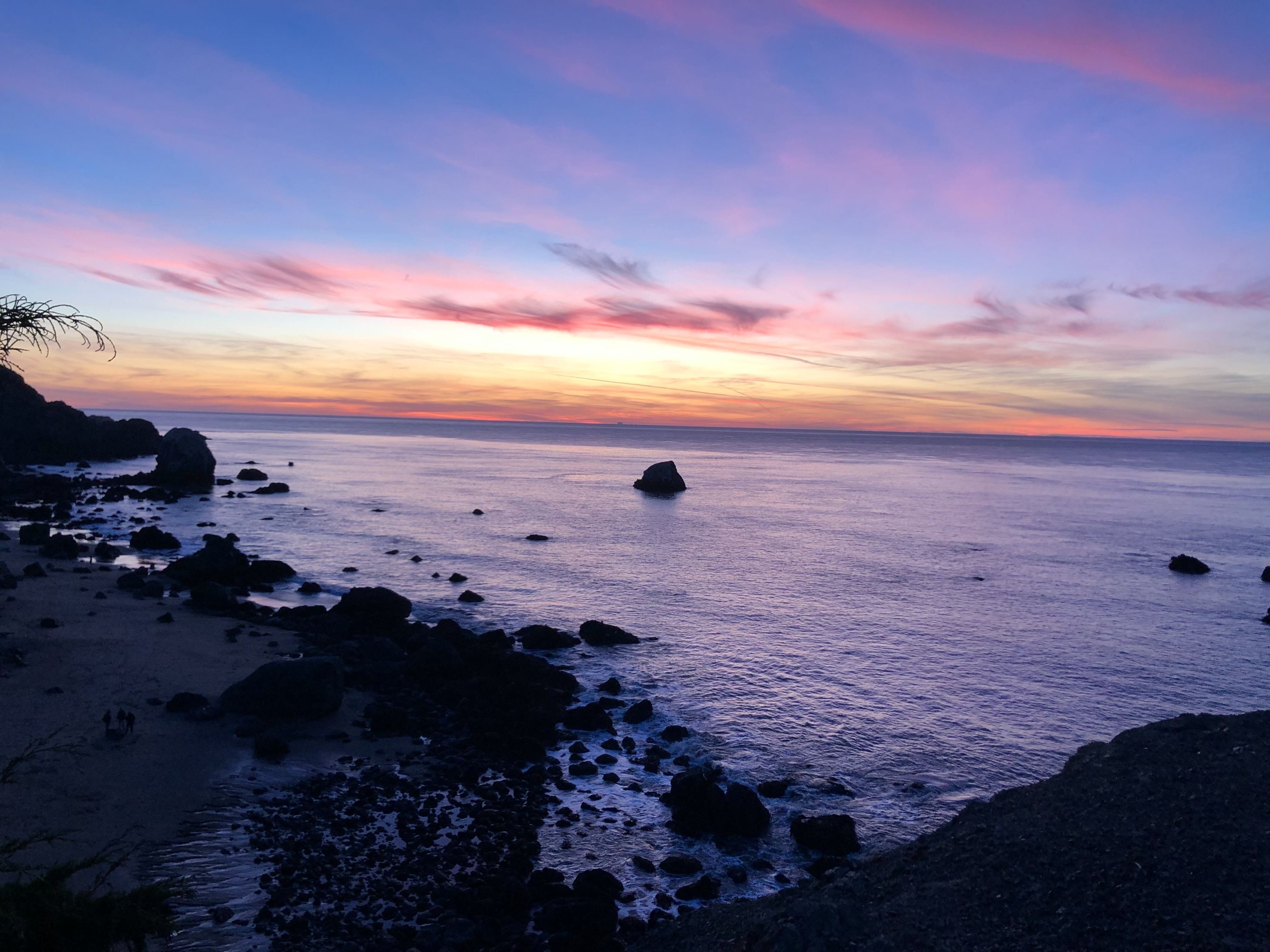
Finally, there is Lands End — the edge of San Francisco where city streets dissolve into wild cliffs and ocean spray. I first came here alone during my college years and sat at the end of the earth for hours, watching the tide come in underneath the Golden Gate Bridge. It was the first time I discovered the joy of my own company, a watershed moment that led to many transformative solo adventures into nature. Years later, I came back as the leader of the Explorers Guild, bringing sixty others on a similar journey of self-discovery. It’s also where I said goodbye to the Bay before moving east—- a place of transformation and a call to adventure.
These four spaces each reveal a different dimension of the Sacred and offer an embodied way to touch those transcendent themes. Yi Fu Tuan describes how intimate experience transforms space into place when “we become passive and allow ourselves to be vulnerable, exposed to the caress and sting of new experience.” This intimacy reveals itself in different ways, through both our relationships with others and our daily rhythms in a place.
Redondo Beach embodies the relational sacred - a space where connection and belonging have layered themselves into the cliffs over the years. As Tuan observes, Intimate places nurture us, caring for our fundamental needs without fuss. Visiting here reminds me of what it is like to be fully connected to myself, my community, and the natural world, and suggests a path to rediscover that connection again.
Buena Vista Park exemplifies the quotidian sacred - where daily rituals and intimate familiarity transform an ordinary space into sacred ground. "In smaller, more familiar things," writes Freya Stark, "memory weaves her strongest enchantments, holding us at her mercy with some trifle, some echo, a tone of voice.” It’s a monument to the fact that places, and people, that were once complete strangers can become our closest companions. Visiting back after time away, I feel the paradox of having left like a conversation with an old lover, where deep knowing and aching distance intertwine in the same breath.
Critically, this is not a process that can be planned in advance any more than a genuine experience of intimacy with a human can be designed in a lab. Instead, places reveal themselves as sacred to you. Mircea Eliade calls this a Heirophony. Something within a place causes a rupture that takes you outside of the realm of ordinary experience and reveals a reality beyond. While intimacy reveals the sacredness immanent in all things, Heirophony is a gateway to transcendence.
This break is so foundational to how we perceive ourselves that, according to Eliade, “the manifestation of the sacred ontologically founds the world”. In the vast expanse of undifferentiated space, we need fixed points that anchor us in a deeper reality. Our sacred spaces become portals to the transcendent, whose unchanging nature grounds us in everyday existence.
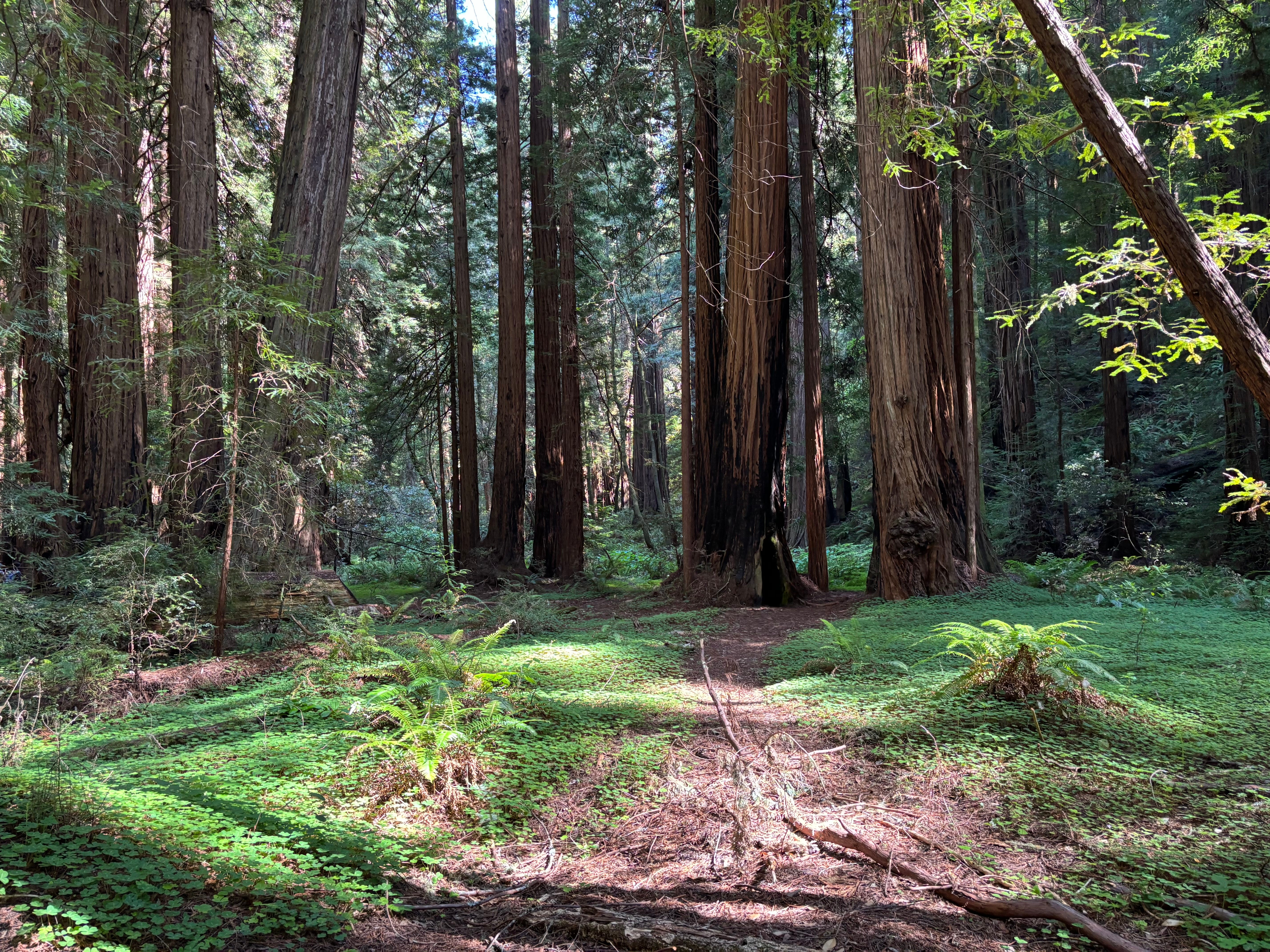
The Redwoods reveal the eternal sacred — a natural cathedral whose stillness offers solace and space for renewal. They remind me that the struggles I face are but a blip on the cosmic clock, and there will be a time in the future when I will visit again and my current challenges will feel as distant as the original ones I lay at their roots. When I come back to the bay, it is the Redwoods, more than anything else, that make this place feel like home.
At the same time as sacred space anchors us in the eternal, it serves as a threshold, “a frontier where passage from the profane to the sacred world becomes possible.” In crossing these boundaries, we gain access to new perspectives that show us what exists just beyond the horizon of what we think is possible.
Lands End calls in the transformational sacred - a threshold where the land meets the sea and the familiar flows into the unknown. Its dramatic cliffs remind me that growth comes at the edges, that the times that feel the most uncertain offer the greatest potential for transformation.
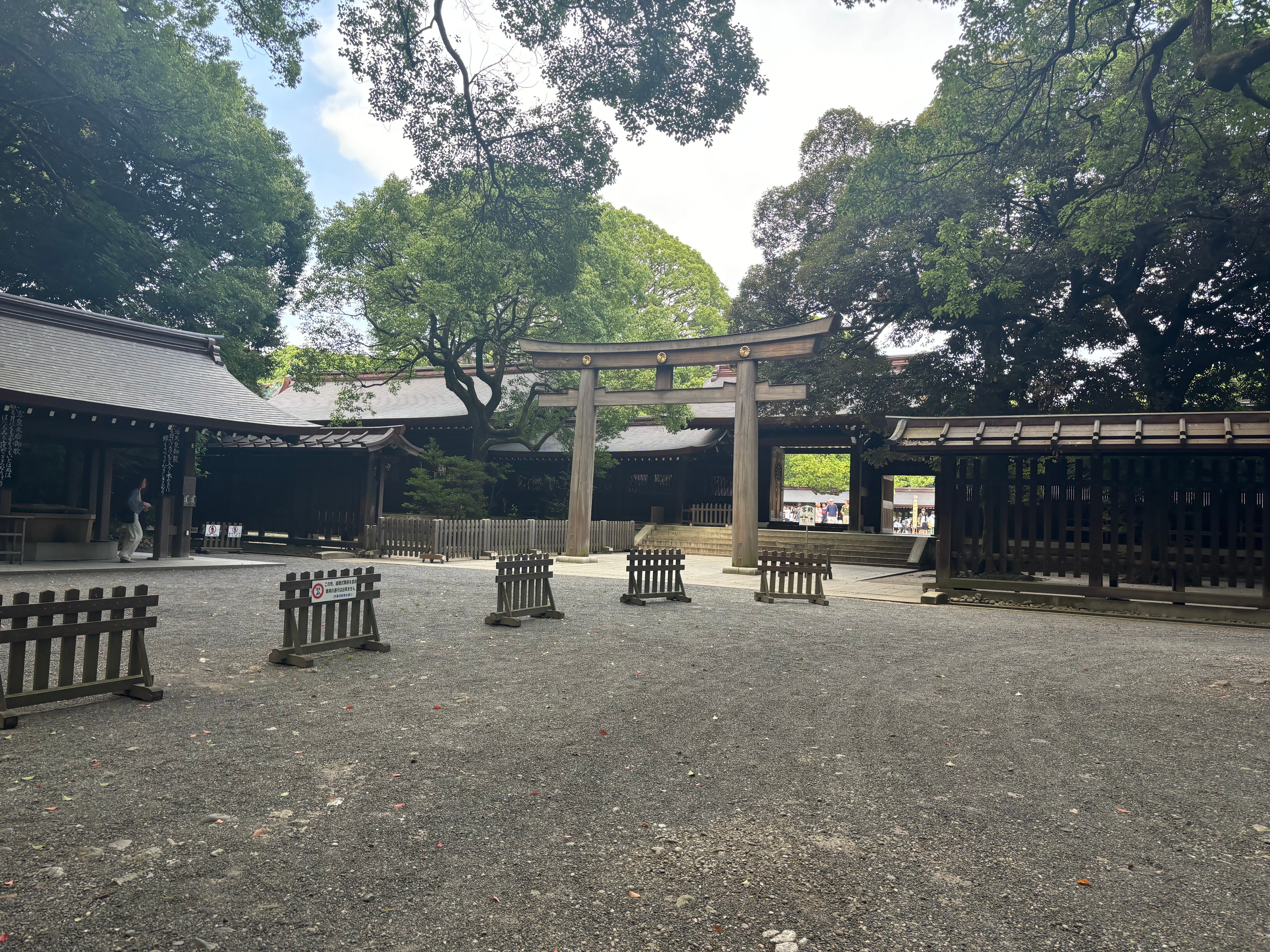
Ultimately, the difference between a sacred and profane world starts with a choice. As Abraham Joshua Heschel said, “The quality of holiness is not in the grain of matter. It is a preciousness bestowed upon things by an act of consecration.” Jacob, after dreaming of a ladder to heaven, instinctively erects a pillar and anoints it with oil to mark the sacred energy. In Japan, the environment is dotted with shrines of all shapes and sizes at these sacred sites. The Torii gates mark the transition from a profane to a sacred world, providing a passage to presence, peace, and profundity.
Consider the contrast to how we engage with our environment in the West. One of my other sacred spaces is Muir Woods, one of the best preserved old-growth Redwood forests in the world. President Roosevelt wisely recognized the unique value of these ancient giants when he set them aside as a National Monument, rescuing them from the fate of the 2 million acres of nearby Redwoods that had been cut down. But, instead of honoring their thousand-year presence as a sanctuary of sacredness, we built a gift shop and scientific information center — commoditizing and appropriating the experience with our analytical minds.
The sacred emerges when we learn to recognize its presence. We can decide to reject the alienation of an undifferentiated world and re-enchant our own lives by staying open to how the places we frequent speak to us. Wherever you are, you too can discover the sacred spaces in your life. Notice the places that keep drawing you back, where you feel most grounded, connected, vibrant, and alive. Pay attention to how they form the landscape for your daily rituals and inspire new ways of being. By honoring these spaces, you can transform your relationship with where you live and discover the tapestry of sacred geography that lies within.
I really appreciated the detail with which you described your sacred spaces. The only way you can notice details like that is if you allow yourself to be truly present in these spaces — something I feel like I haven’t done in a long while. Thanks for reminding me to take a breath and notice those small pieces of magic just a bit more <3
Favorite bits:
“Anchors of permanence” and
“Become passive … caress and sting” — that one is really interesting. Some people move to a place and insert themselves in the name of taking charge of their life. This idea that intentionally playing a passive role in your environment can be a proactive meaning maker is worth pondering for sure